
Local-loop operators running both broadband and voice services.
LEA compliance for local loop
LEA Compliance for local loop
Local-loop operators need a dependable view of broadband subscribers, RADIUS access, IPDR, syslog, IPFIX, customer billing, voice trunks, CDR, routing, and controlled LEA request handling. Radnex AI and Kalnex can work together as one practical operating stack: Radnex AI covers ISP subscriber, access, billing, and network-record operations, while Kalnex covers PBX, SIP, SS7, live calls, CDR, trunks, and voice-platform operations.
Radnex AI and Kalnex provide technical record, audit, retention, and review tools for authorised compliance processes. Operators remain responsible for meeting applicable legal, regulatory, privacy, and reporting requirements.
Request a Demo →Built for billing, RADIUS, reporting, and ISP operations.
Use cases
Where this page helps operators decide.
ISPs that need subscriber, IPDR, syslog, IPFIX, CDR, trunk, and audit records connected.
Compliance teams preparing controlled internal workflows for authorised internet and voice reporting requests.
LEA compliance for local loop
How Radnex AI and Kalnex work together for local-loop LEA
LEA perspective for local-loop operators
For local-loop teams, authorised requests usually come down to direct questions: who is the subscriber, what services are assigned, what IP or session records exist, what voice records exist, which team accessed or exported data, and whether the request was handled through a controlled process.
Radnex AI and Kalnex can support these questions by keeping broadband and voice operational data in structured systems instead of isolated spreadsheets, router notes, PBX logs, and manual files.
Broadband records in Radnex AI
Radnex AI is the broadband and ISP operations side of the stack. It can support subscriber profiles, package assignment, RADIUS and NAS context, online sessions, billing status, IPDR, syslog, IPFIX, audit logs, retention planning, and controlled exports where modules are enabled and data is collected.
For internet-service requests, this helps an authorised internal team find relevant technical records faster and with better traceability. The dedicated IPDR, syslog, and IPFIX pages explain those data surfaces in more detail.
Voice and interconnect records in Kalnex
Kalnex is the voice-platform side of the stack. It can support local-loop voice operations around SIP trunks, SS7 routing, numbers, CDR, live-call views, billing context, PBX accounts, firewall visibility, and license-bound capacity controls.
For voice-service requests, CDR and trunk context help operators review call timing, route, endpoint, and service records where the deployment collects and retains those details.
One compliance workflow across internet and voice
Local-loop compliance becomes harder when broadband records and voice records are managed by unrelated teams. A combined Radnex AI and Kalnex deployment can give management, NOC, billing, and compliance users a cleaner split of responsibilities while keeping the request trail easier to document.
The value is practical: operators get a stronger technical foundation for authorised search, review, export, retention, and audit handling, while legal and regulatory obligations remain with the operator.
Audit, access control, and retention handling
Sensitive reporting workflows need role-based access, controlled exports, audit records, and retention rules. Radnex AI can support ISP audit and data-record workflows, while Kalnex can support voice-service operational review and CDR-facing controls.
Operators should define who may search, export, approve, transmit, and retain data. Internal policy and applicable law must decide the final process.
Deployment planning for local-loop LEA readiness
Before relying on any LEA workflow, operators should map data sources, collection intervals, retention periods, user roles, approval steps, export formats, backup policy, and escalation paths. They should also test that network equipment, RADIUS, routers, PBX, SIP trunks, SS7 gateways, and storage systems are producing the required fields.
Radnex AI and Kalnex can provide the operational software layer, but the quality of compliance reporting depends on correct deployment, source data, retention policy, and operator governance.
Legal responsibility and limits
Radnex AI and Kalnex can help local-loop teams organize records, controls, and review activity for LEA-readiness. They do not provide PTA approval, LEA certification, legal approval, government endorsement, guaranteed compliance, guaranteed NOC, or guaranteed lawful interception capability.
Local-loop operators remain responsible for legal review, regulatory obligations, privacy controls, retention rules, agency procedures, and any specialist lawful-interception systems required by their jurisdiction.
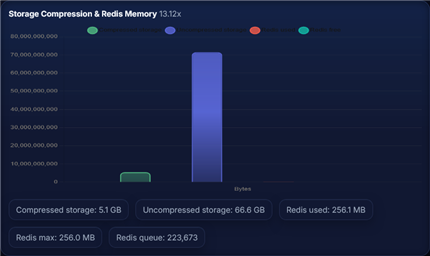
A local-loop network may carry both internet access and voice services. Radnex AI helps organize subscriber identity, packages, RADIUS accounting, NAS context, online sessions, IPDR, syslog, IPFIX, billing records, support notes, and exports. Kalnex helps organize SIP and SS7 trunks, PBX accounts, numbers, live-call visibility, CDR, routing, firewall, license limits, and voice-service operations.
Used together, the systems give operators a clearer technical chain between customer records, network access records, voice records, audit activity, and authorised reporting. They support readiness and internal control; they do not replace legal review, agency approval, or operator responsibility.
Capabilities
Benefits and workflow comparison
AreaRadnex AIKalnex
Subscriber identityCustomer profile, package, owner, billing, RADIUS, NAS, and session context.Voice account, PBX, number, trunk, and customer-facing voice context.
Network recordsIPDR, syslog, IPFIX, online sessions, audit, retention, and export workflows where configured.CDR, live-call, SIP trunk, SS7 routing, firewall, and voice-service operational records.
LEA workflow supportBroadband request search, filtering, technical exports, and activity audit support.Voice request review, CDR context, trunk/routing visibility, and call-platform audit support.
Operator responsibilityConfigure data collection, retention, roles, approvals, and exports according to applicable rules.Configure voice records, call retention, access controls, and review processes according to applicable rules.
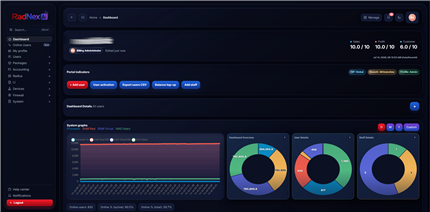
Dark and light views
Radnex AI and Kalnex operating screens.

Frequently asked questions
Answers for LEA compliance for local loop searches.
What is LEA compliance for local loop?+
For a local-loop operator, LEA compliance usually means having controlled technical workflows for authorised requests, subscriber records, internet records, voice records, audit trails, retention, and exports. The exact legal requirement depends on jurisdiction.
How do Radnex AI and Kalnex work together?+
Radnex AI supports ISP broadband workflows such as subscriber, RADIUS, IPDR, syslog, IPFIX, billing, audit, and exports. Kalnex supports voice workflows such as SIP, SS7, PBX, trunks, live calls, CDR, routing, and voice operations.
Is compliance guaranteed?+
No. Radnex AI and Kalnex provide technical tools for record handling, audit, retention, and review. Operators remain responsible for legal review, approvals, privacy, reporting, and any required specialist interception systems.
Can this help with both internet and voice requests?+
Yes, as a technical operations stack. Radnex AI helps with broadband and network records, while Kalnex helps with voice-platform and CDR records where the deployment collects the required data.
Which records should a local-loop operator review?+
Operators should review subscriber identity, package state, RADIUS sessions, IPDR, syslog, IPFIX, CDR, trunks, routing, audit logs, retention settings, export formats, and user access controls.
Next step
Talk through your ISP requirements.
Share your subscriber count, RADIUS model, NAS devices, billing rules, reporting needs, and migration concerns with the Radnex AI team.
Request a Demo →